
Liam Brazier
Add to collection +
Add to collection +
Add to collection +
Add to collection +
Add to collection +
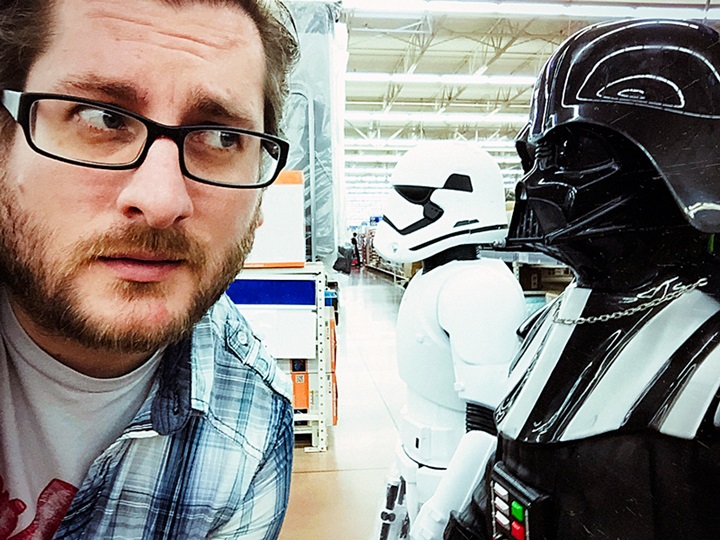
The man with the digital scalpel
Somebody say something about corners and edges.
Training
After completing a National Diploma in General Art & Design at Southend College of Art and Design, Liam specialised in illustration and completed a BA at the Kent Institute of Art and Design.Approach
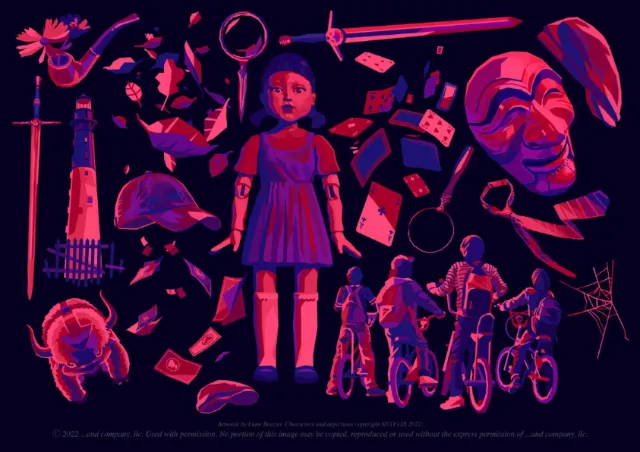
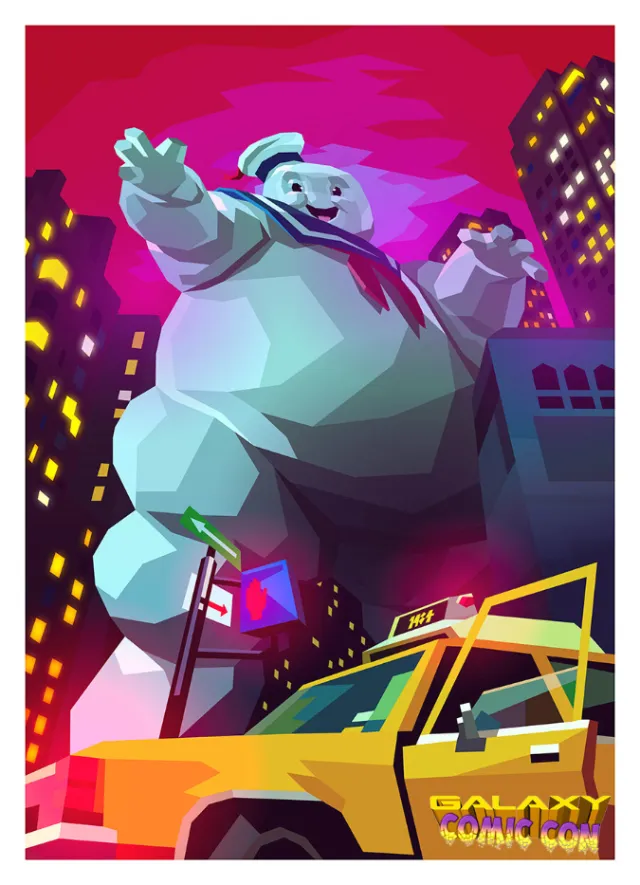
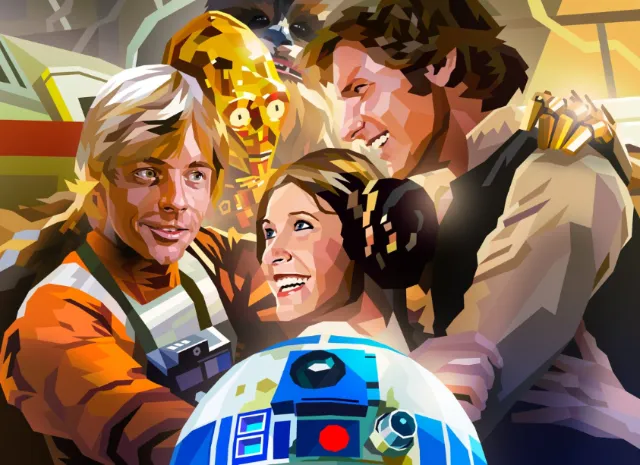
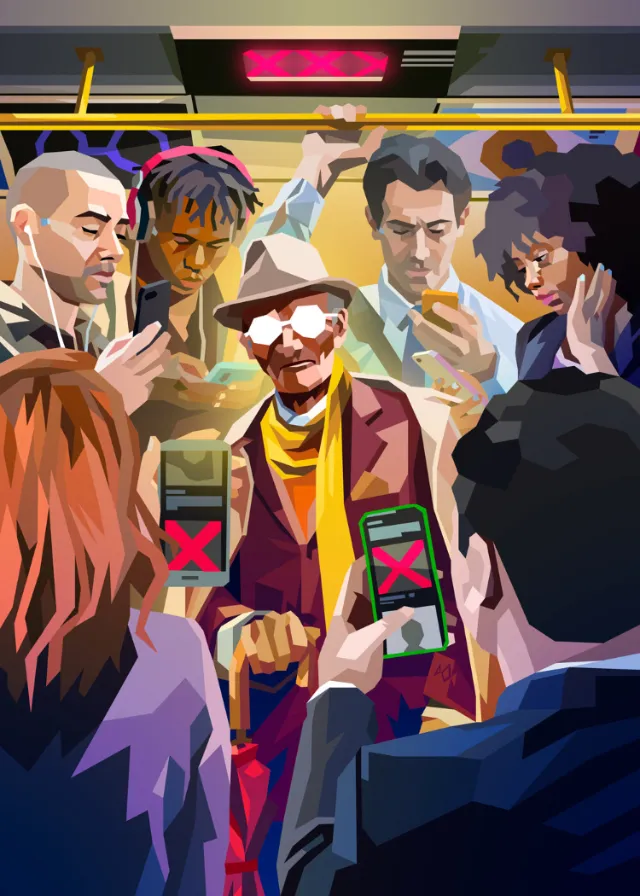
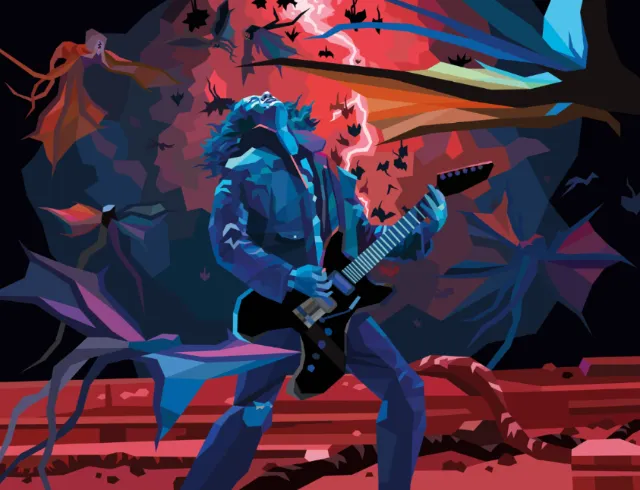
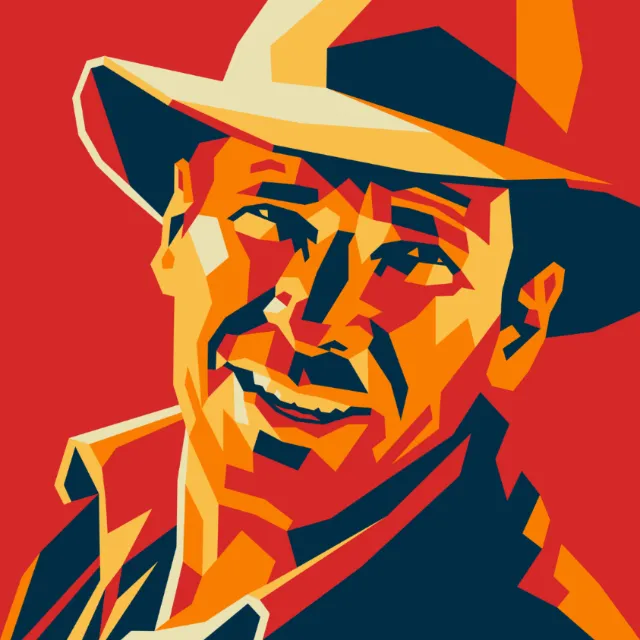
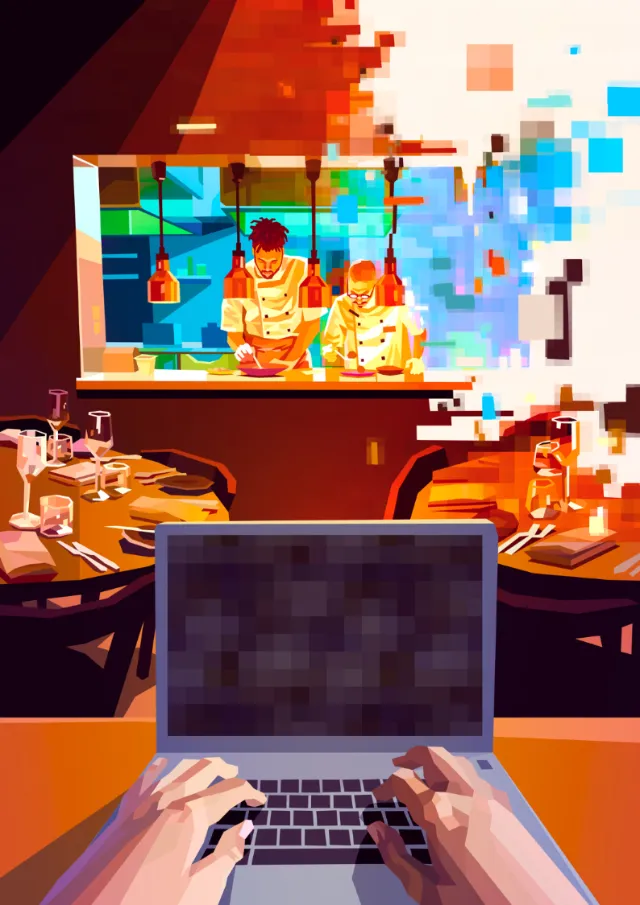
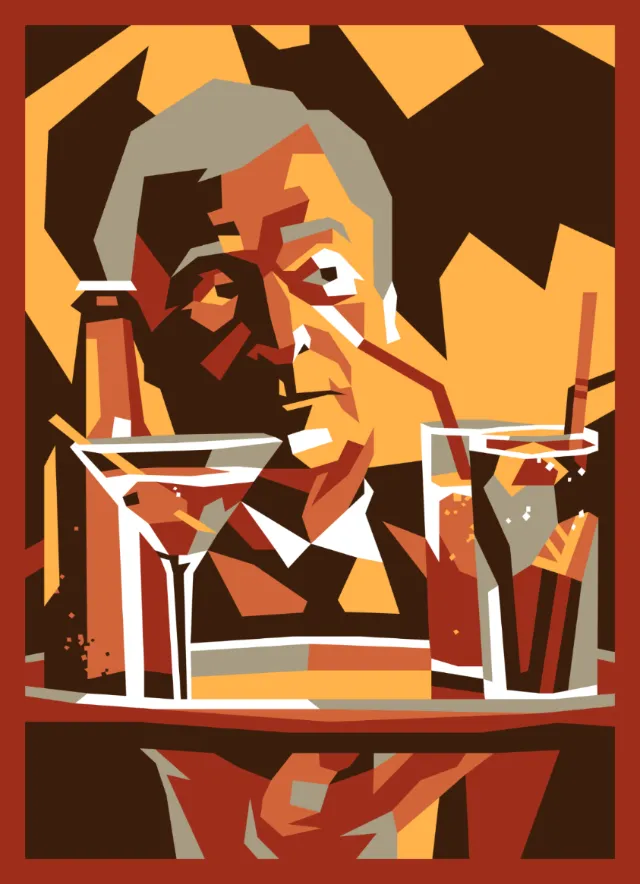
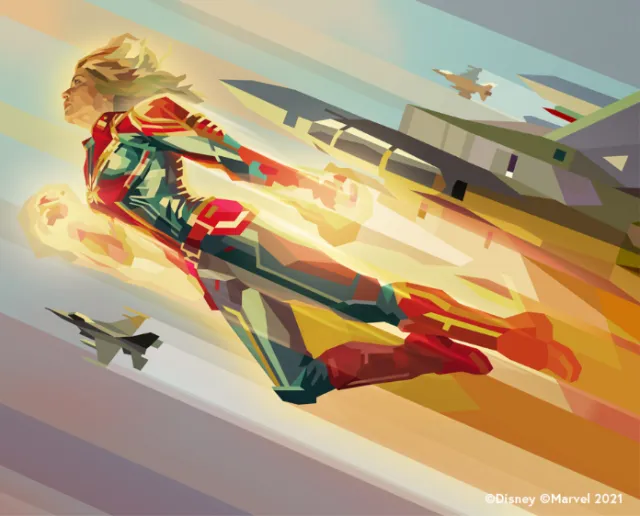
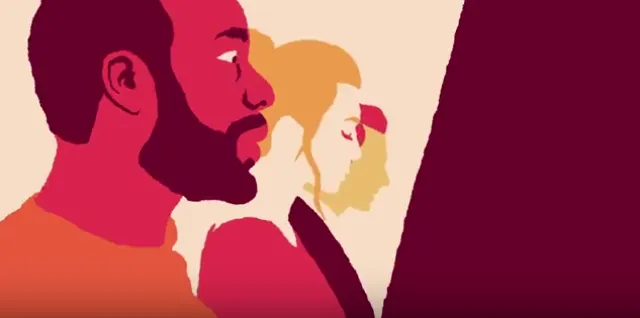
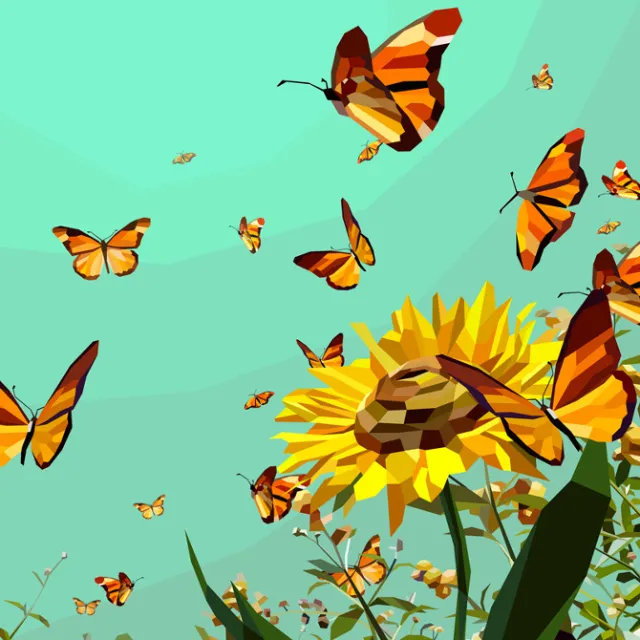
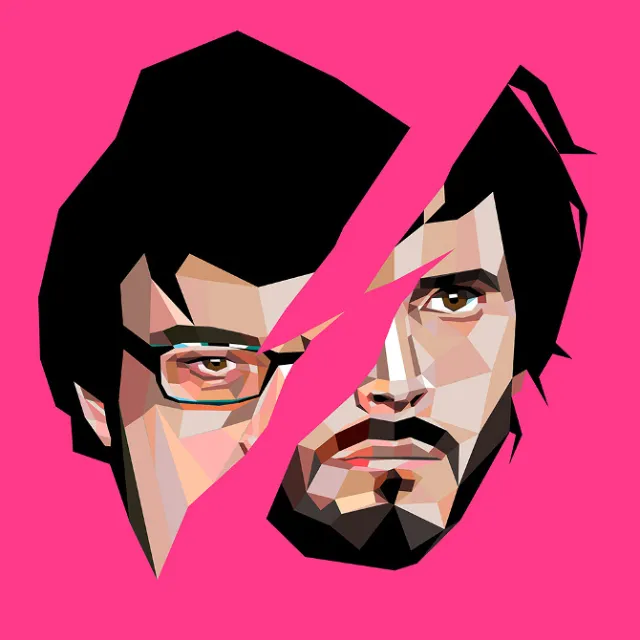
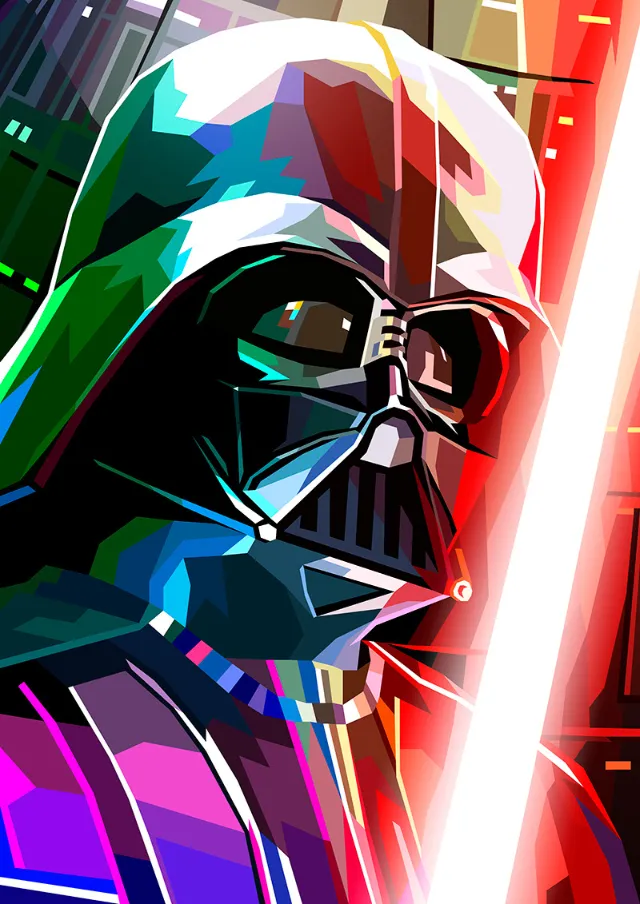
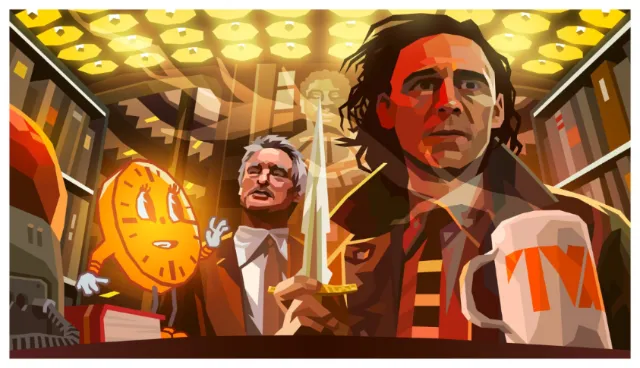
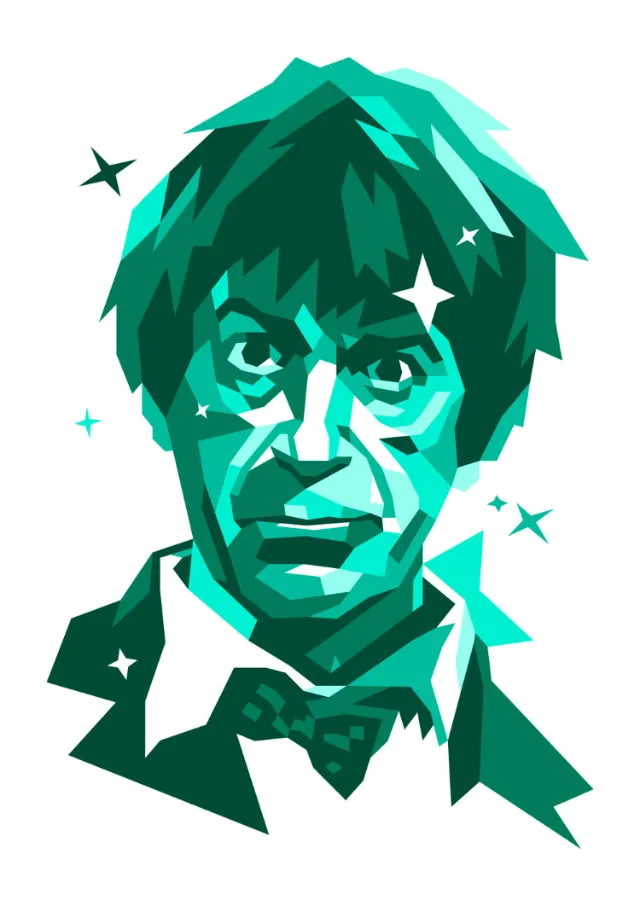
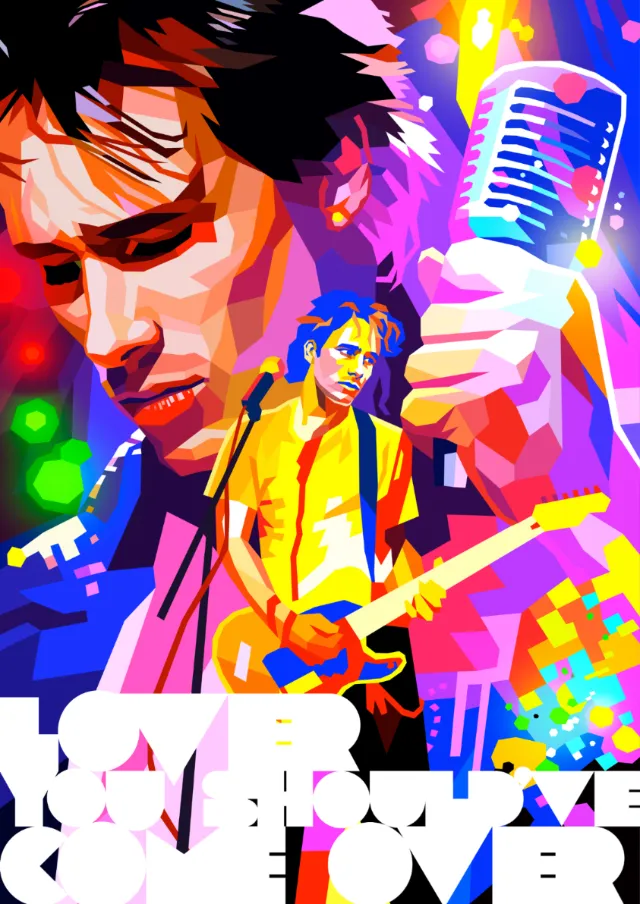
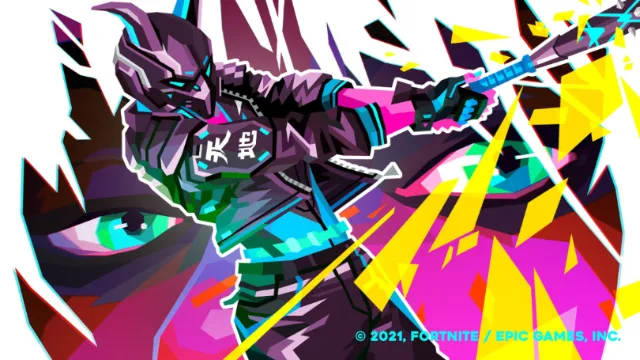
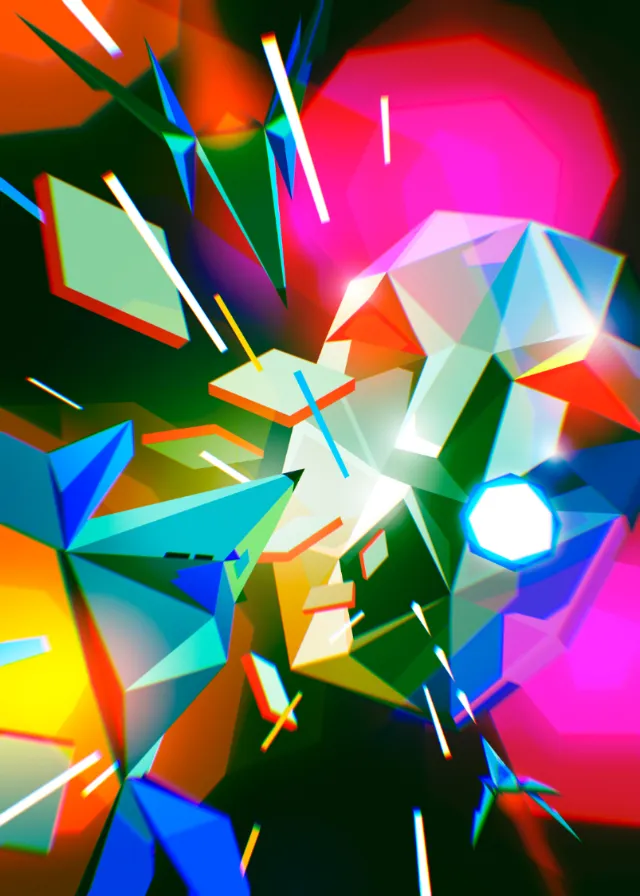
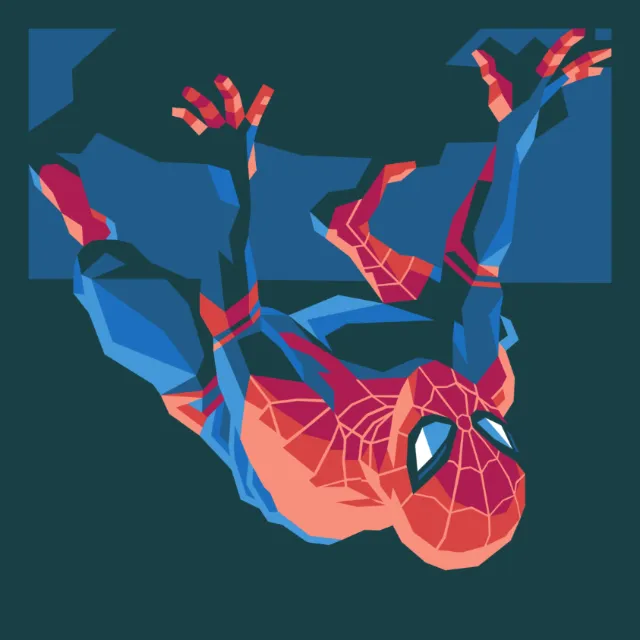
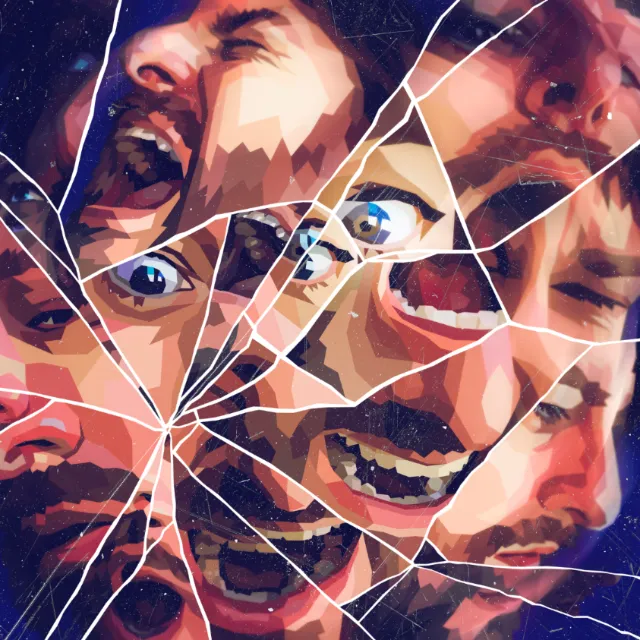
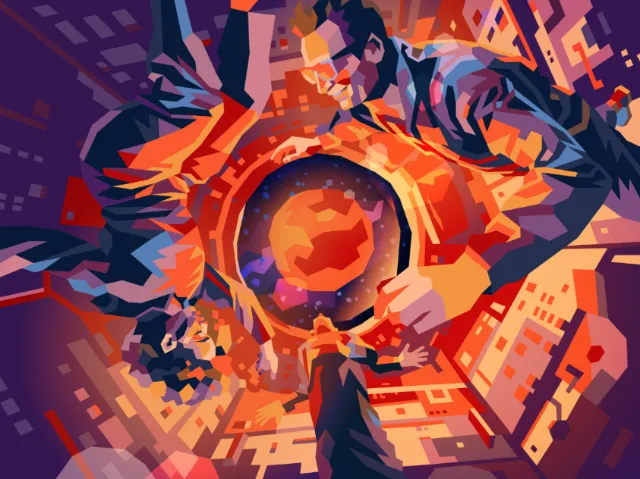
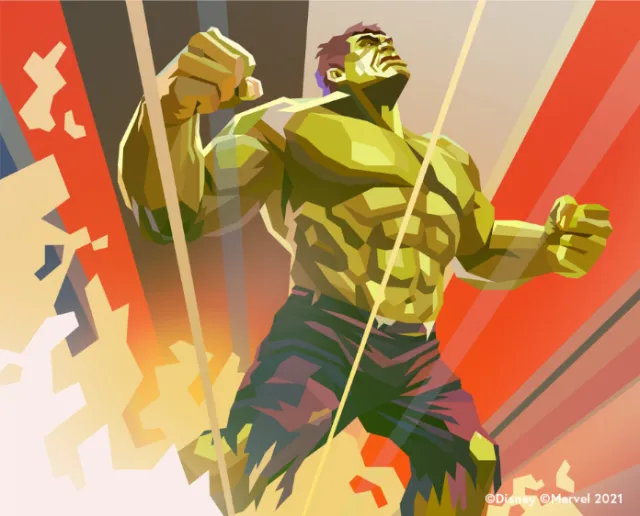
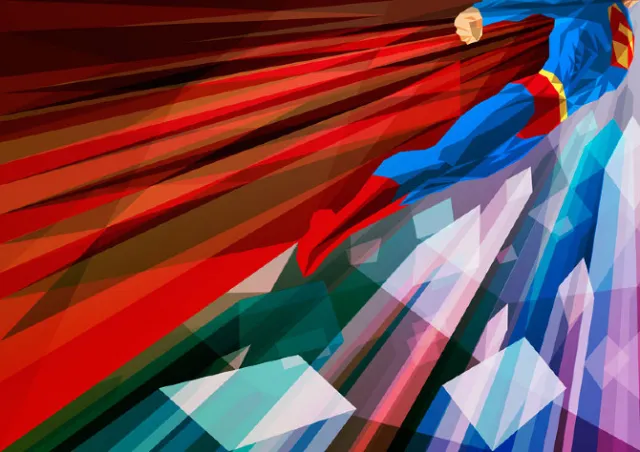
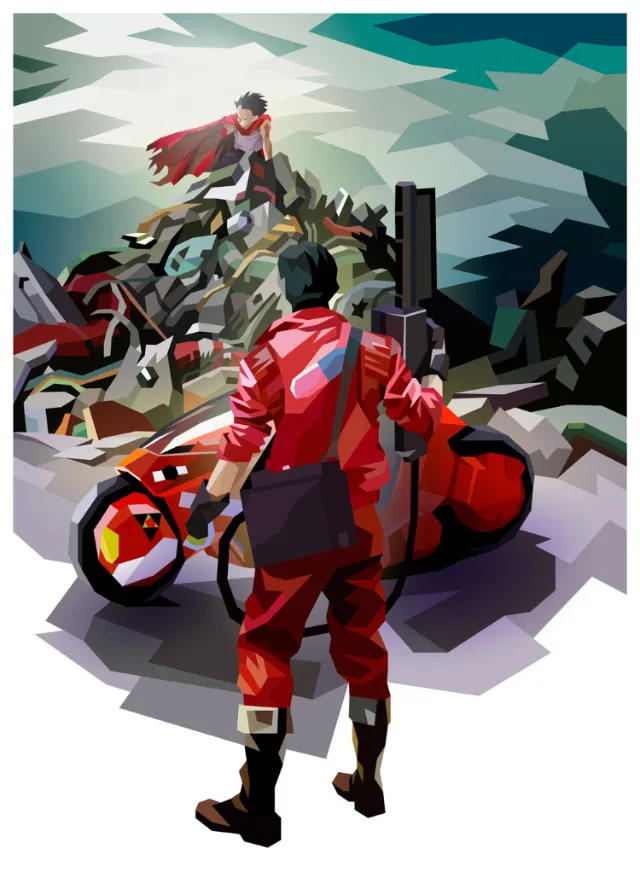
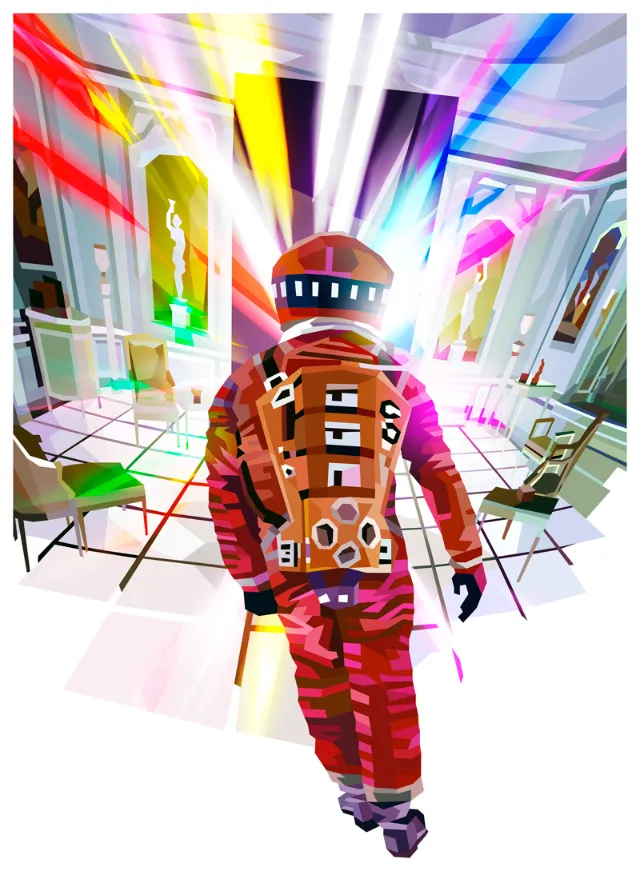
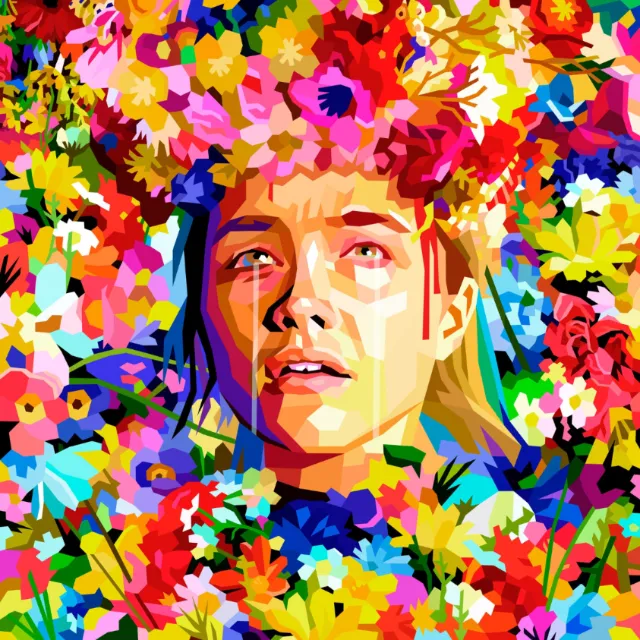
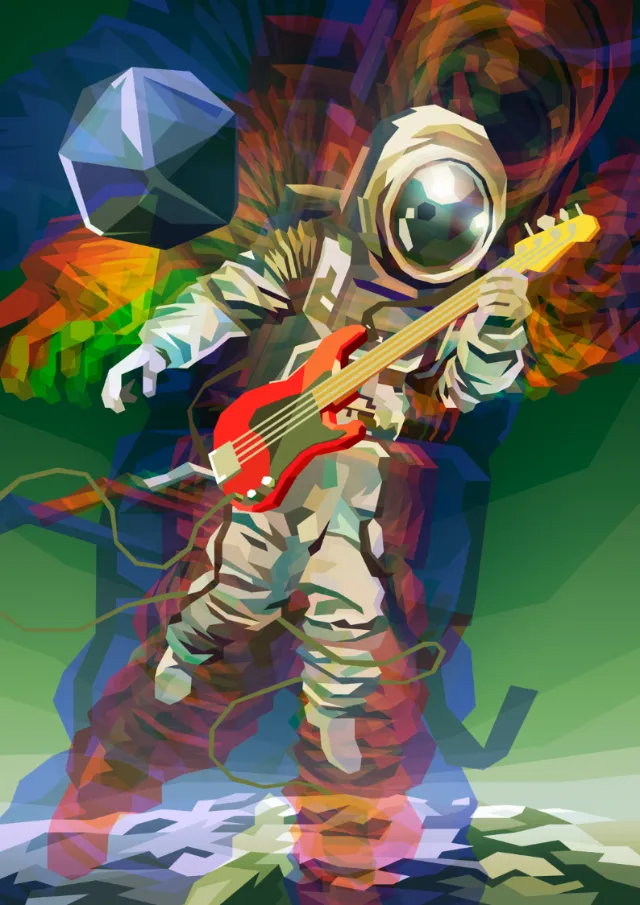
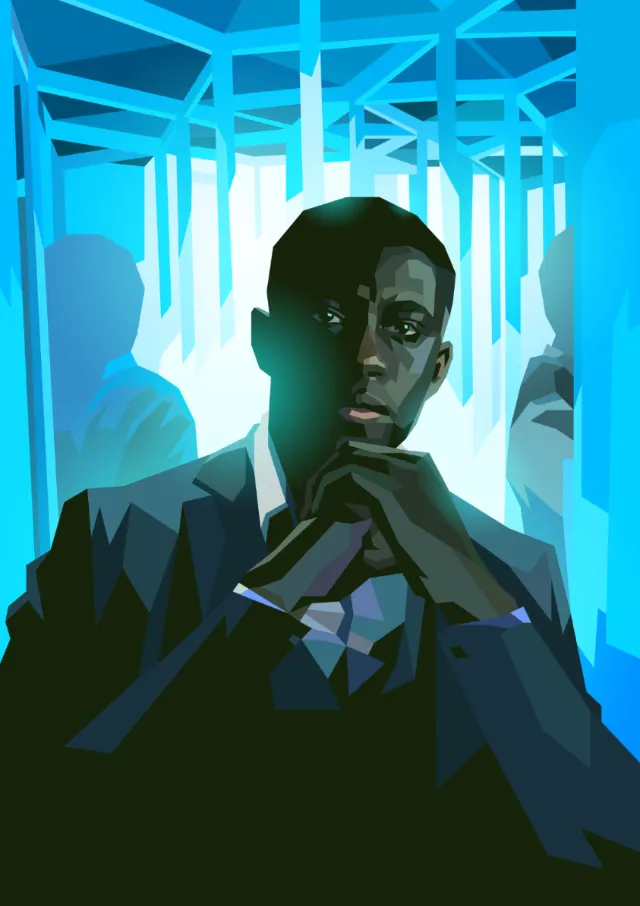
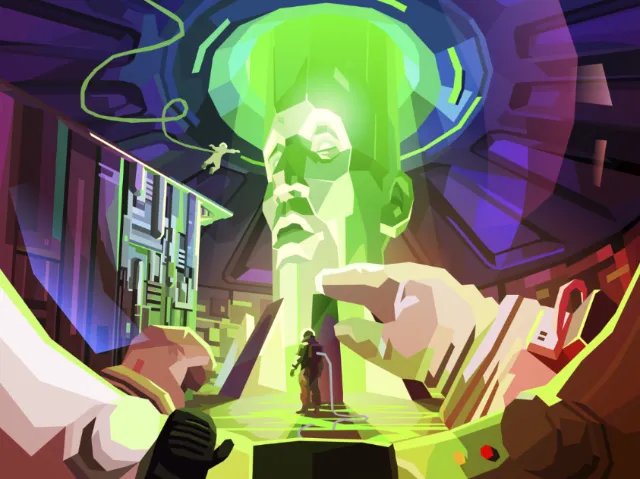
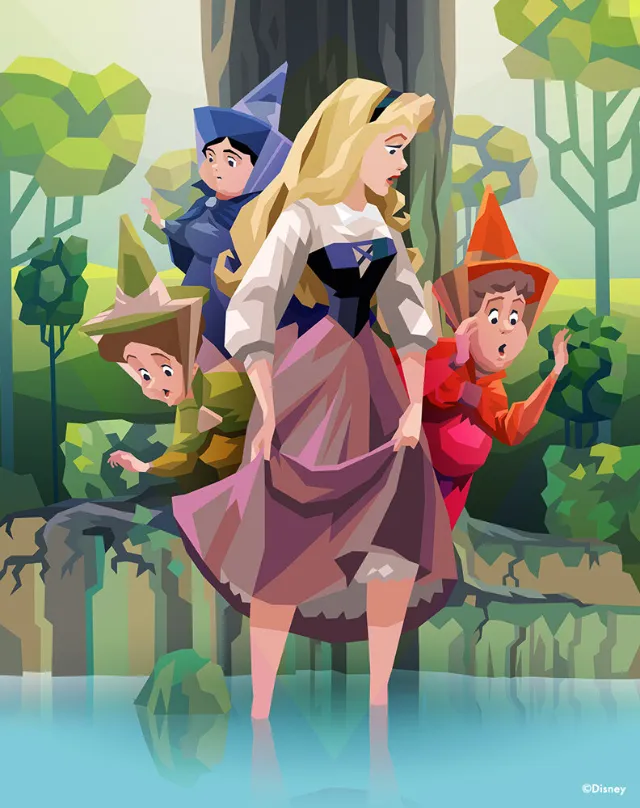
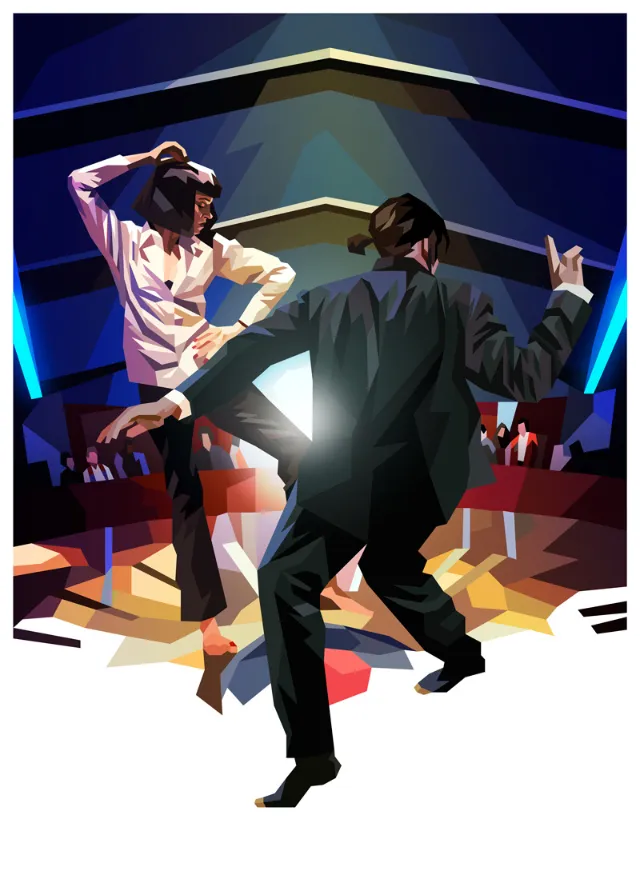
When he first started out, Liam would painstakingly cut each shape out with a scalpel, using different coloured papers to construct a final piece. Today, he has distilled this process down to a digital one, drawing and colouring his shapes in software. “I am also a fond of strong saturated colours, often using them to suggest depth. Overall each piece becomes a giant puzzle I create, and piece together, and see complete as a work,” he says.Styles
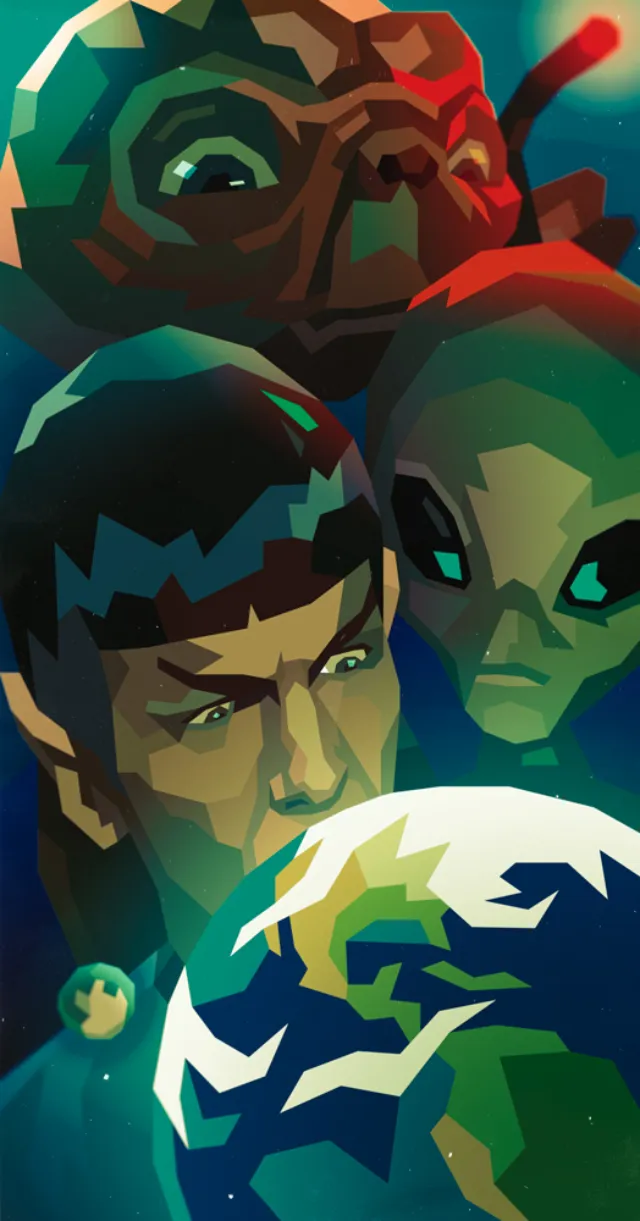
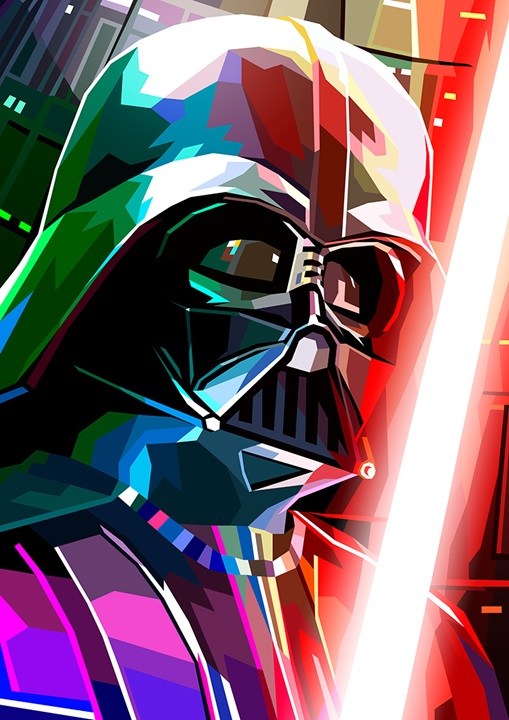
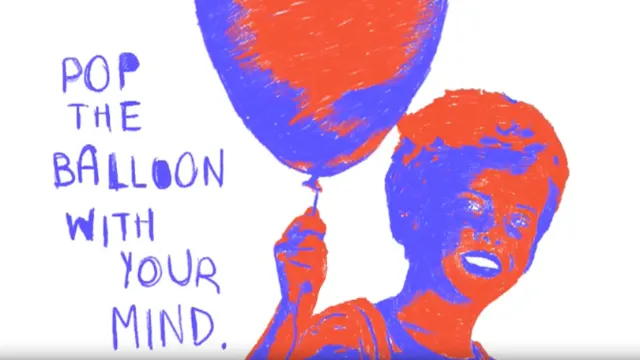
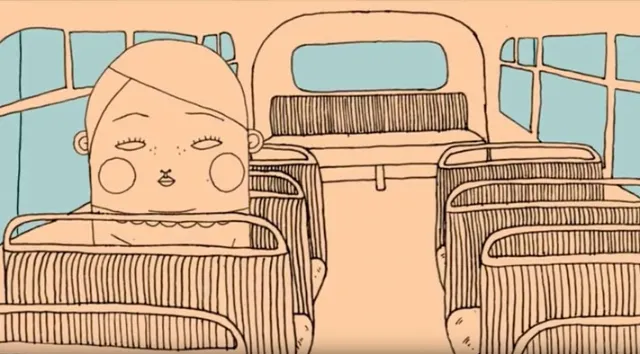
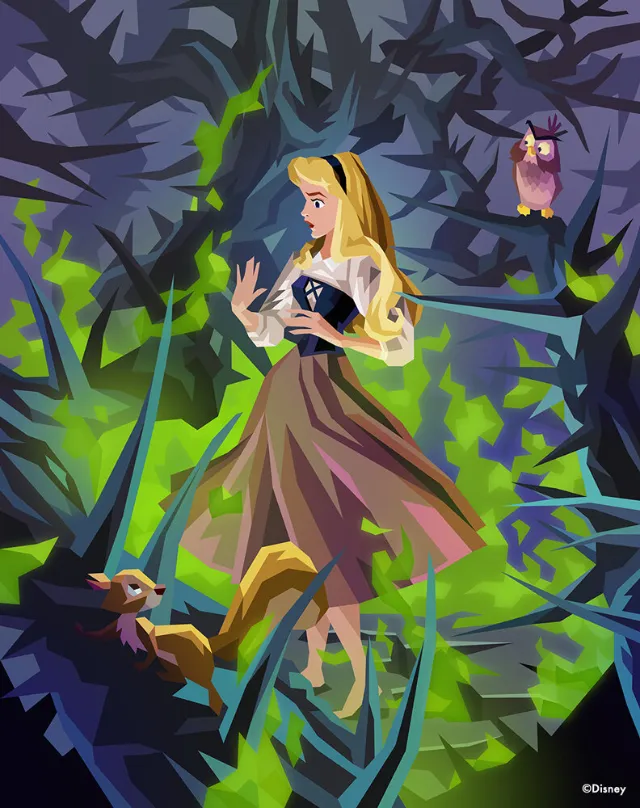
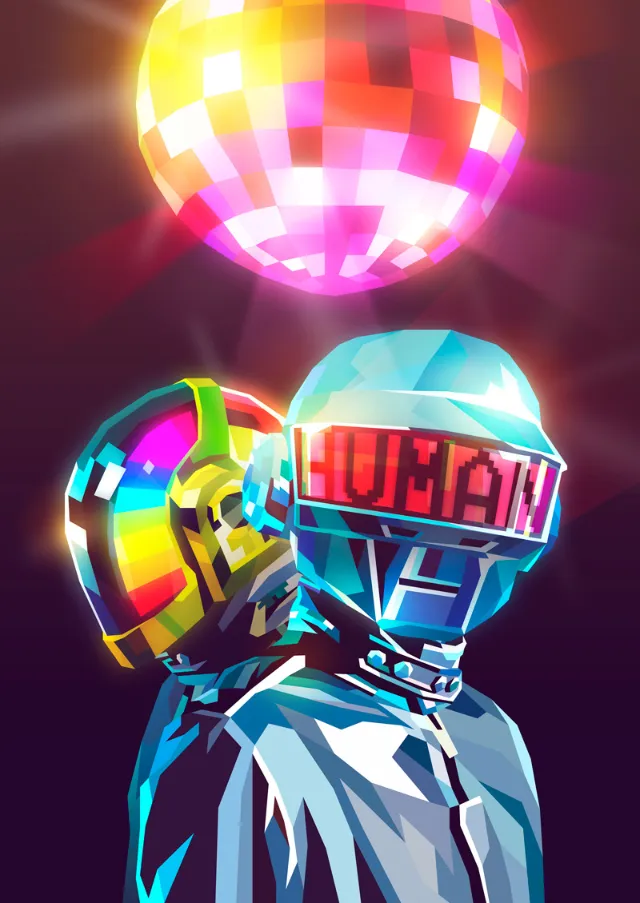
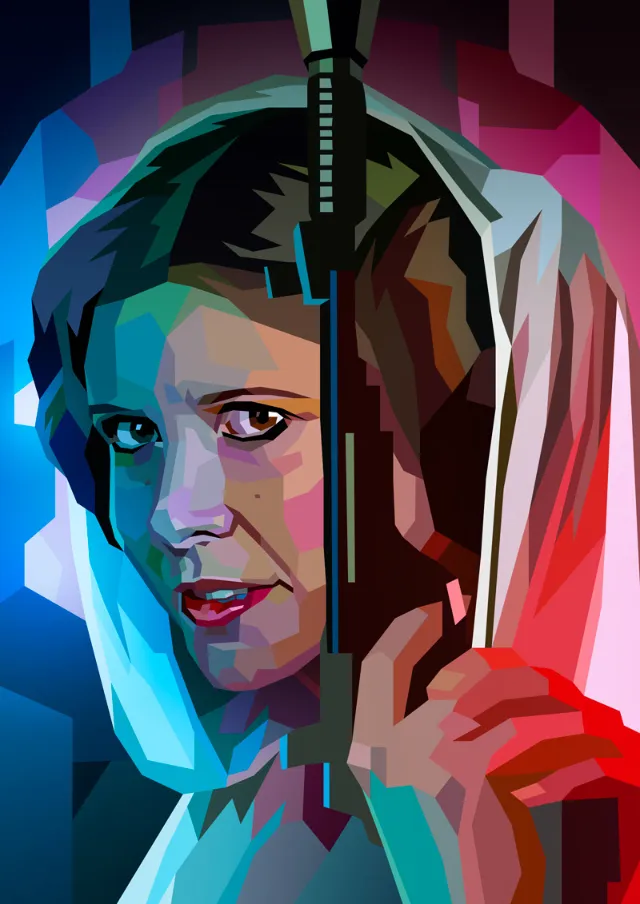
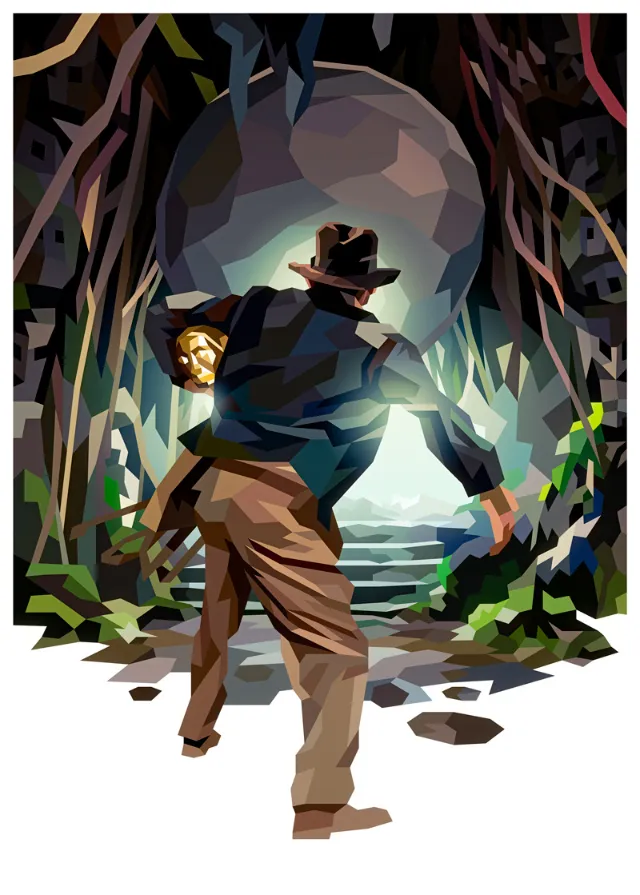
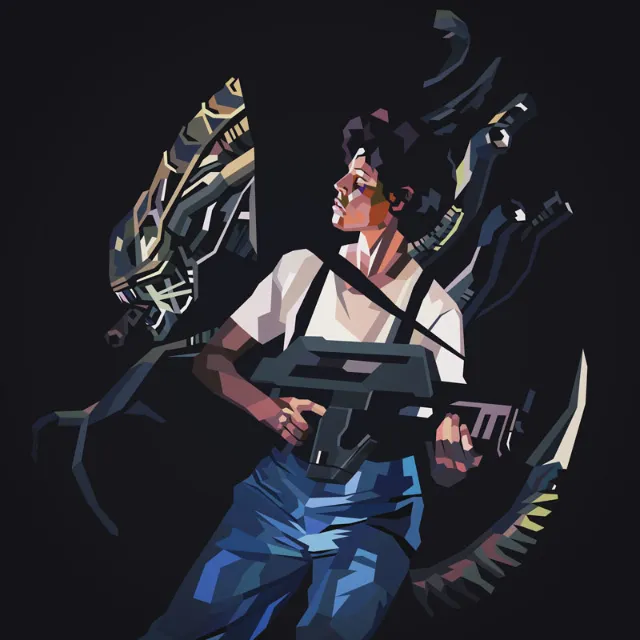
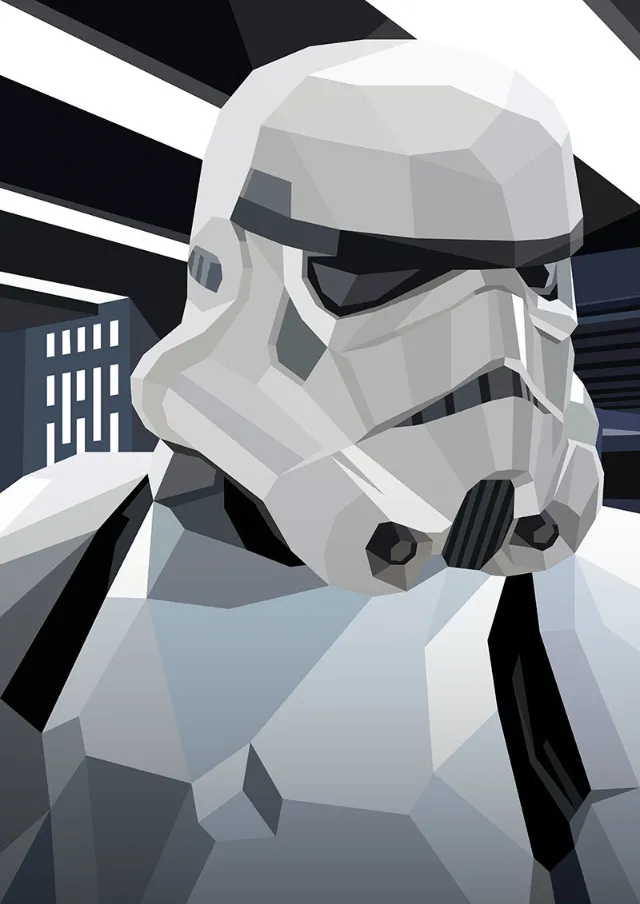
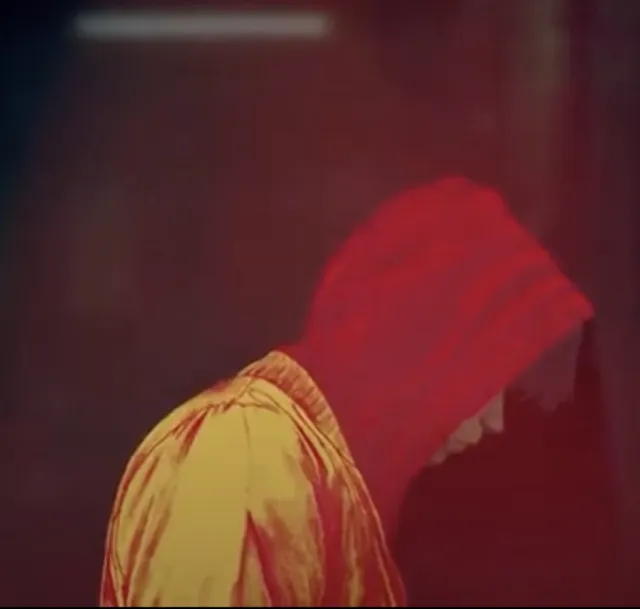
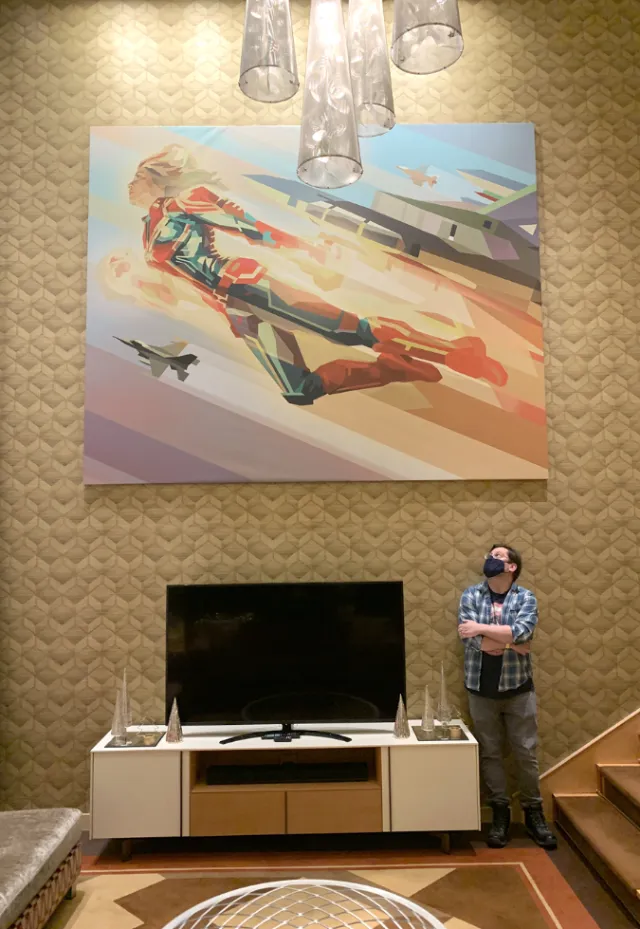
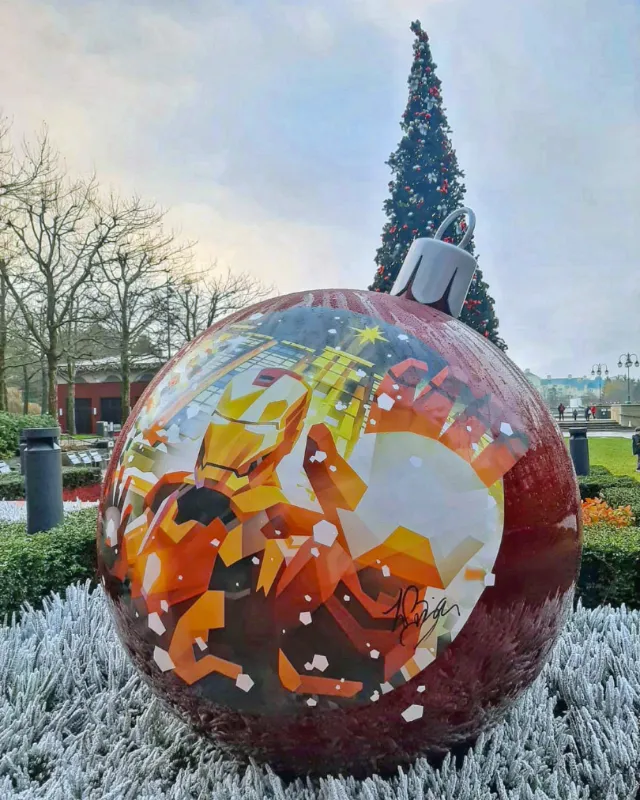
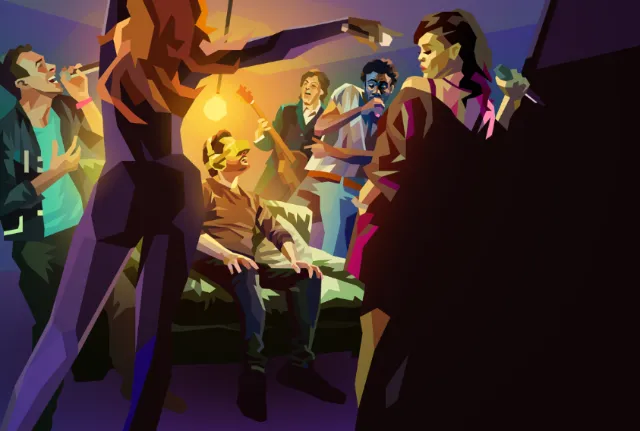
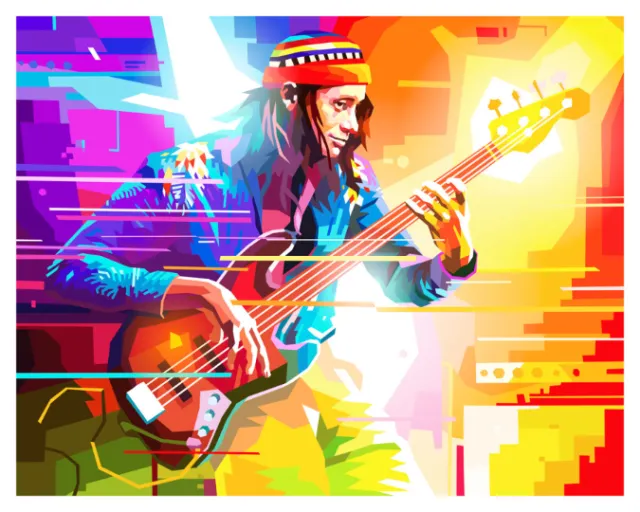
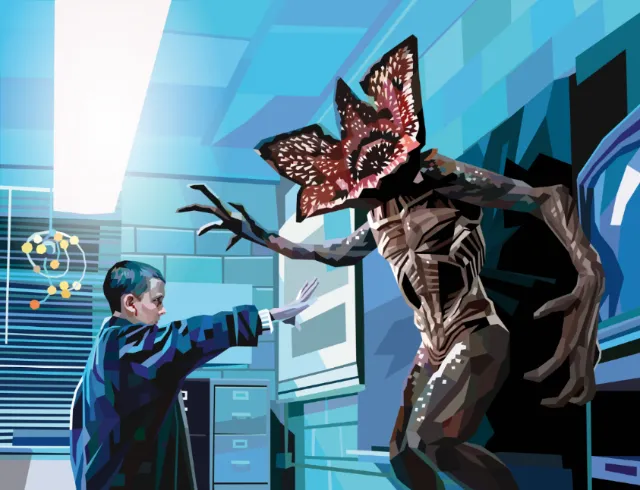
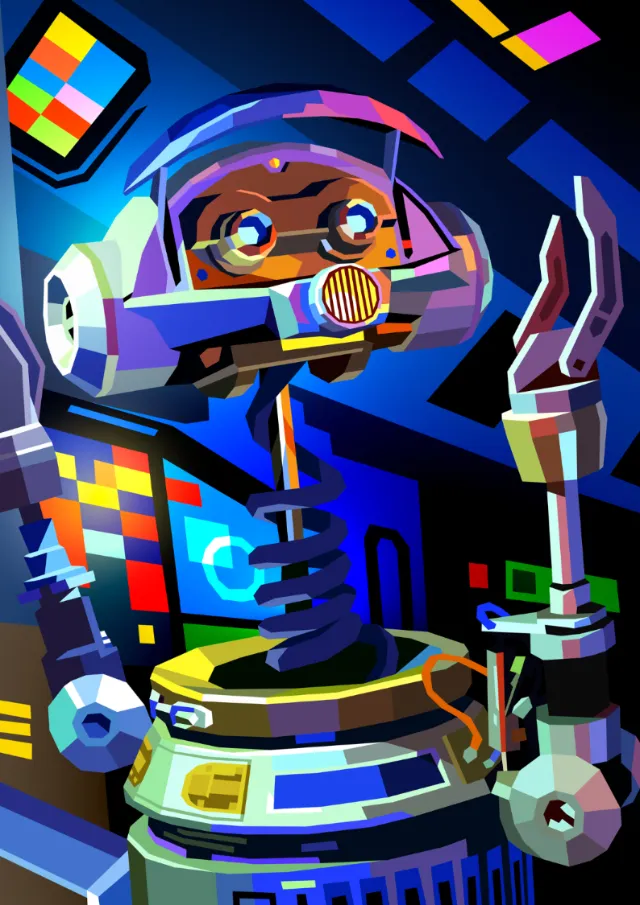
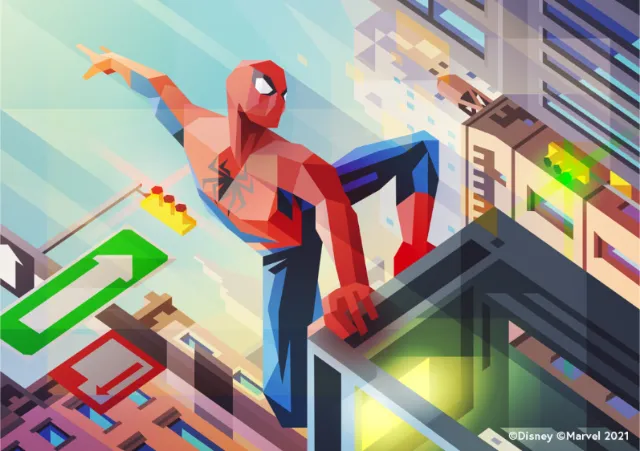
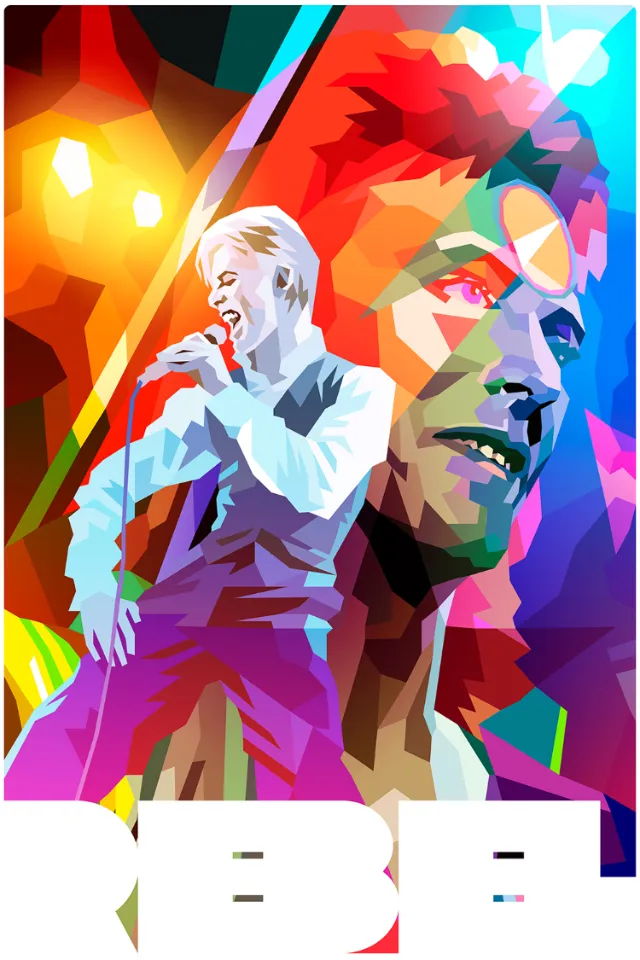
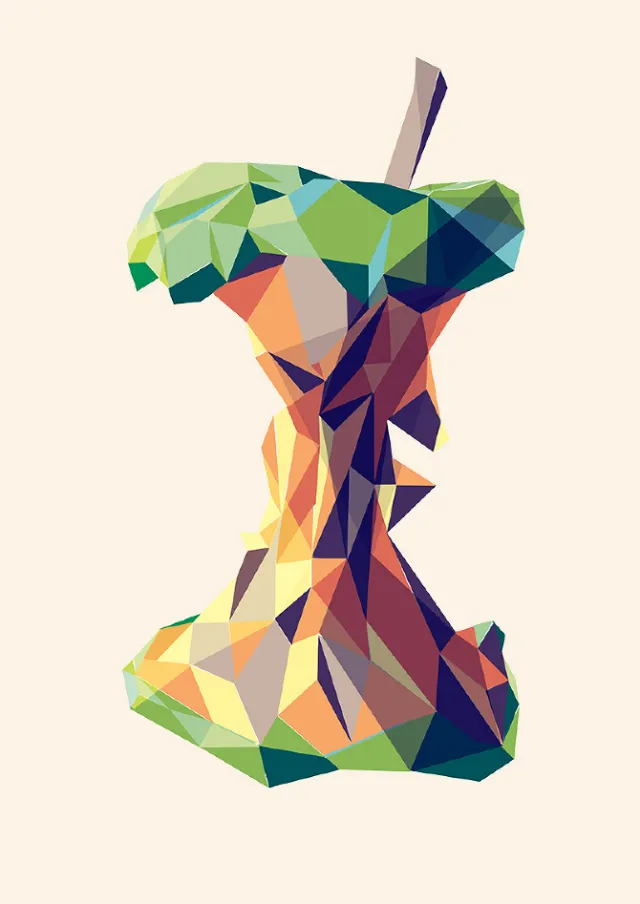
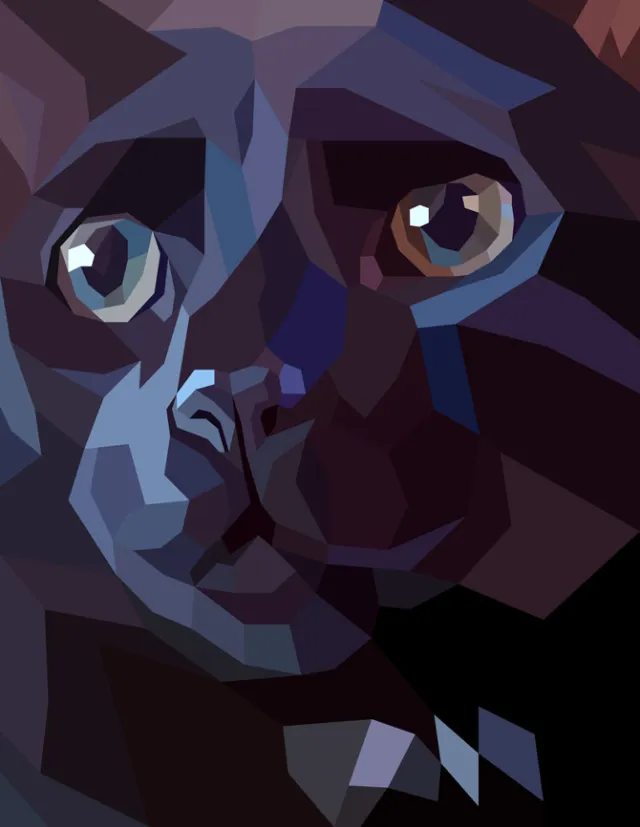
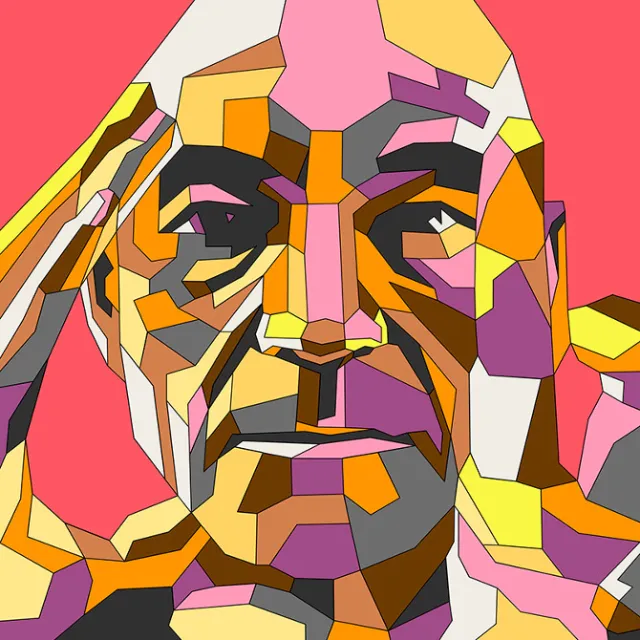
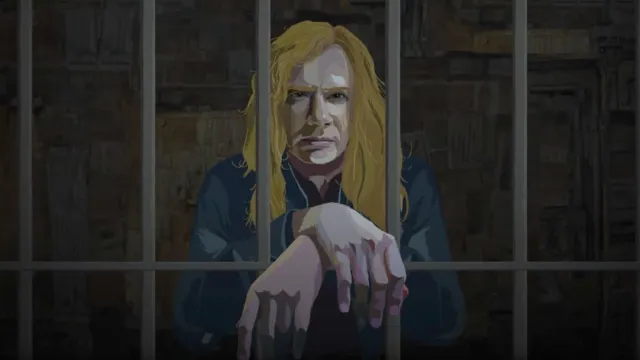
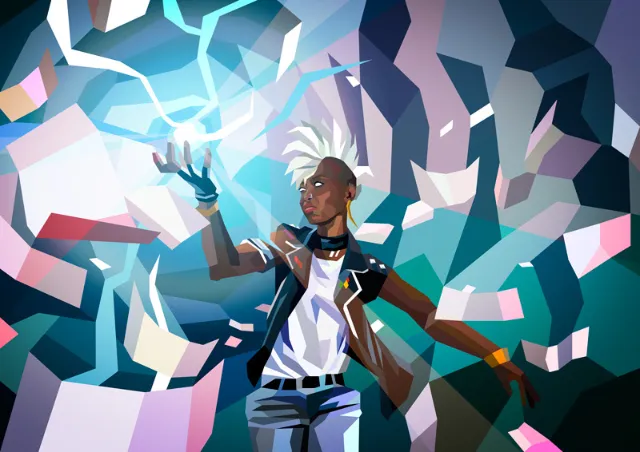
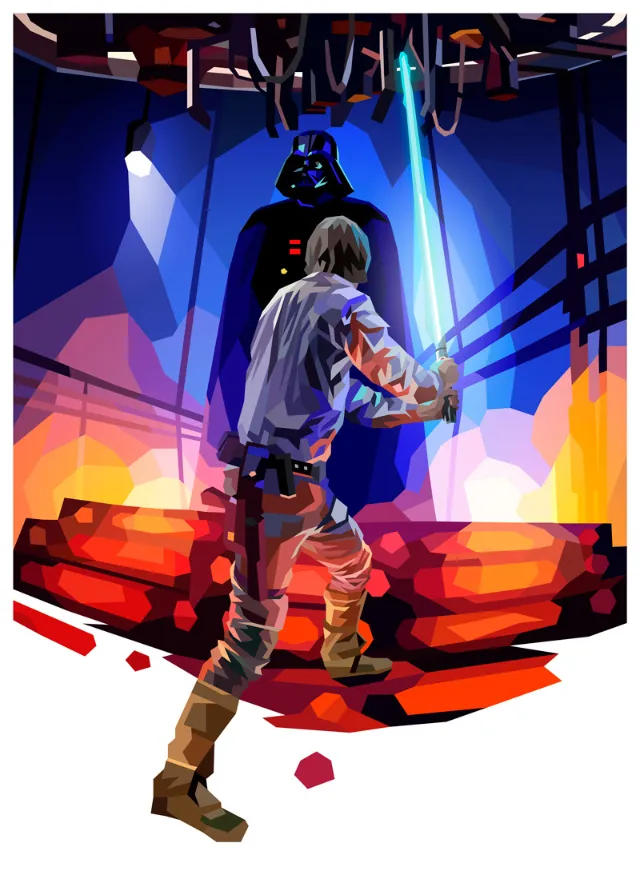
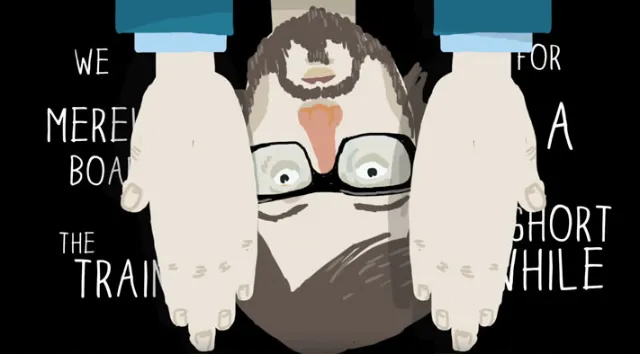
Liam’s goal is to use shapes and colours to show the planes of an object, depicting three-dimensional forms on a two-dimensional surface. He tries to use as few shapes as possible in doing so. It is often likened to low poly art, but his intention is different. Using both his imagination and Adobe After Effects, Liam pushes the boundaries in both still images and animation.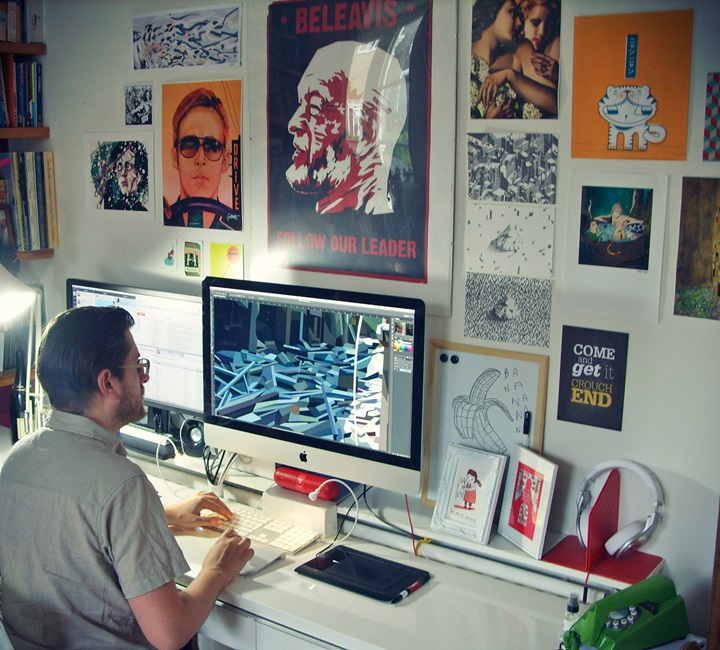

Add to collection +
Add to collection +

Add to collection +
Add to collection +
Add to collection +

Add to collection +
Add to collection +
Add to collection +

Add to collection +
Add to collection +
Add to collection +

Add to collection +
Add to collection +
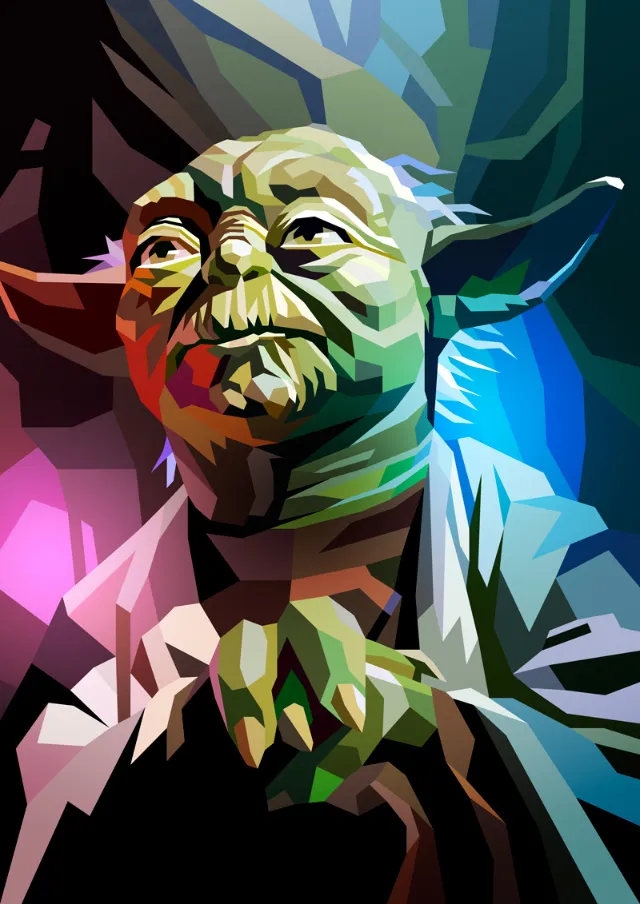
Add to collection +

Add to collection +
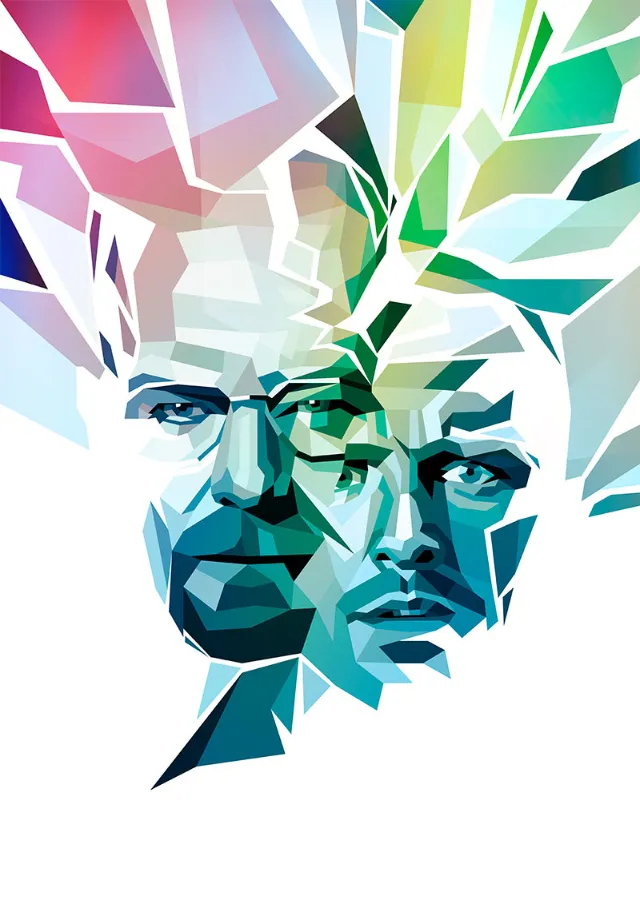
Add to collection +
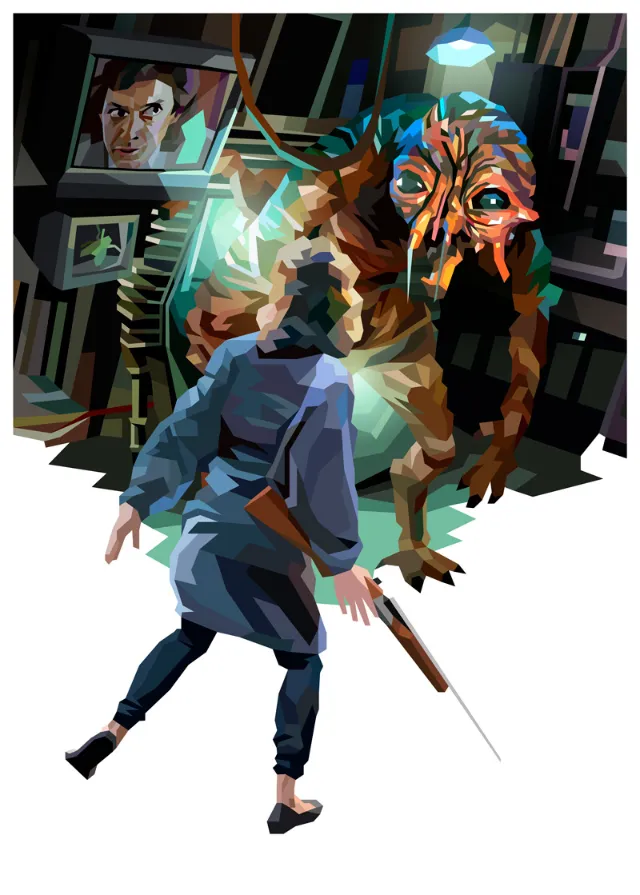
Add to collection +
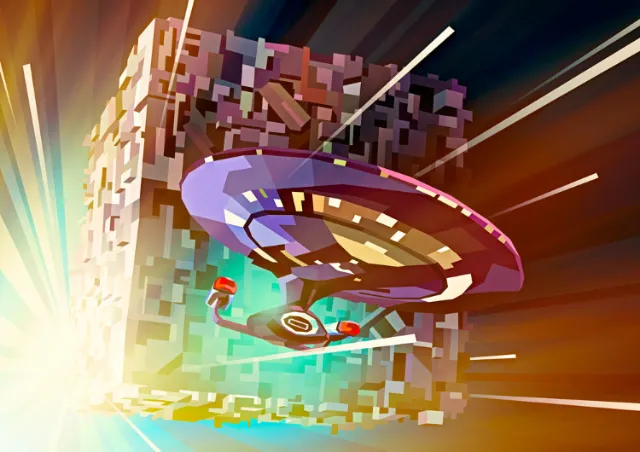
Add to collection +
Add to collection +
Add to collection +
Add to collection +
Liam Brazier
Selected illustrations
Add to collection +
Add to collection +
Add to collection +
Add to collection +
Add to collection +
Add to collection +
Add to collection +
Add to collection +
Add to collection +
Add to collection +
Add to collection +
Add to collection +
Add to collection +
Add to collection +
Add to collection +
Add to collection +
Add to collection +
Add to collection +
Add to collection +
Add to collection +
Add to collection +
Add to collection +
Add to collection +
Add to collection +
Add to collection +
Add to collection +
Add to collection +
Add to collection +

Add to collection +
Add to collection +
Add to collection +
Add to collection +
Add to collection +
Add to collection +
Add to collection +
Add to collection +
Add to collection +
Add to collection +
Add to collection +
Add to collection +

Add to collection +
Add to collection +
Add to collection +
Add to collection +

Add to collection +
Add to collection +
Add to collection +
Selected Clients
BBC, Marvel, 20th Century Fox, GAME, Casio, Transport for London, Queens of the Stone Age, Megadeth, David Letterman, Team France at the Tour de France